
Prepare your home for the rainy season, protect your investment, and enjoy greater peace of mind throughout the cooler months.

Homeowners should take time to prepare their properties for cooler temperatures, seasonal rainfall, and changing weather conditions. While California winters may be milder than those in other parts of the country, seasonal rain and occasional cold spells can still expose homes to leaks, drainage problems, moisture damage, and unexpected repair costs.
November is an excellent time to check essential home systems and address minor maintenance issues before they become larger problems.
The good news? Preparing your home for winter doesn’t have to involve major renovations or expensive upgrades. A little preventive maintenance can help preserve your property’s condition, support household safety, and make your home more comfortable throughout the season.
Here are 10 essential home maintenance tips to help you get started.
1. Inspect Your Roof for Damage
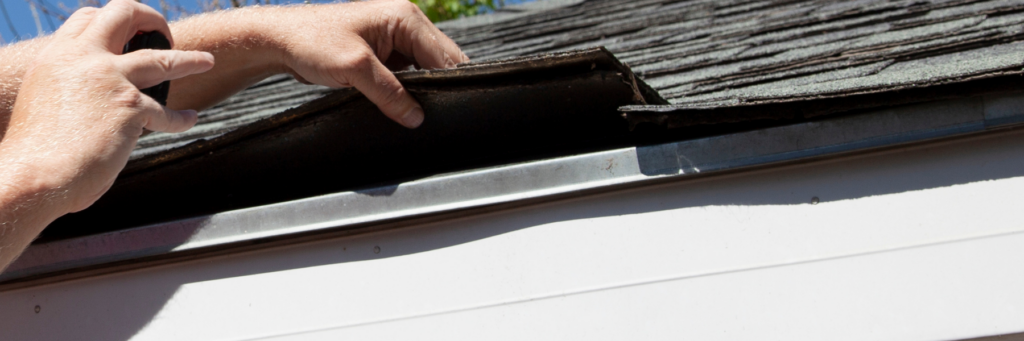
Your roof is your home’s first line of defense against the elements. Before the rainy season gets underway, check for visible signs of damage, including missing or damaged shingles, deteriorating roofing materials, loose flashing, and areas that may have developed leaks.
Even a small roofing problem can allow water to enter your home during heavy rainfall. Over time, moisture can damage ceilings, walls, insulation, and other parts of the property.
What homeowners can do:
- Look for visible roof damage from the ground.
- Check ceilings and attic spaces, where safely accessible, for water stains or signs of moisture.
- Pay attention to previous leak locations.
- Arrange for a qualified roofing professional to inspect and repair any suspected damage.
Avoid climbing onto the roof yourself, particularly when surfaces are wet or slippery.
2. Clean Gutters and Downspouts
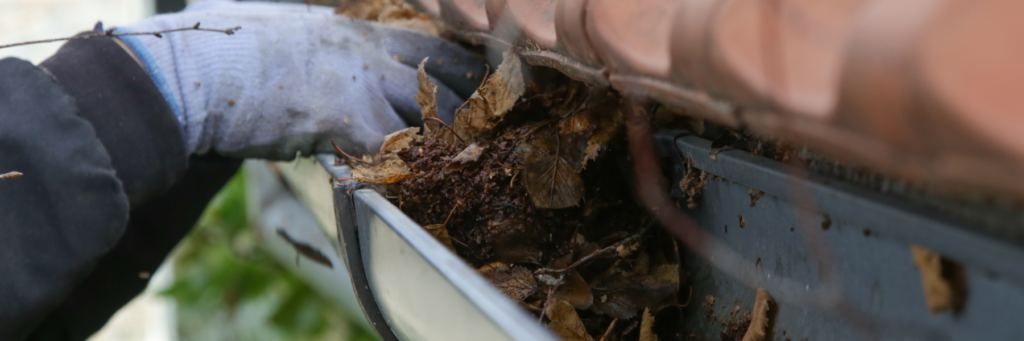
Gutters and downspouts help direct rainwater away from your roof and foundation. When leaves, twigs, and other debris accumulate, water may overflow and collect near exterior walls or enter vulnerable areas of the home.
Blocked drainage can contribute to water intrusion, damaged siding, and moisture-related foundation concerns.
What homeowners can do:
- Remove accumulated leaves and debris from gutters.
- Check downspouts for blockages.
- Make sure water flows freely through the drainage system.
- Confirm that downspouts discharge water away from the foundation and toward appropriate drainage areas.
If your gutters are difficult to reach or show signs of damage, consider hiring a professional to clean and inspect them.
3. Check Your Yard and Exterior Drainage
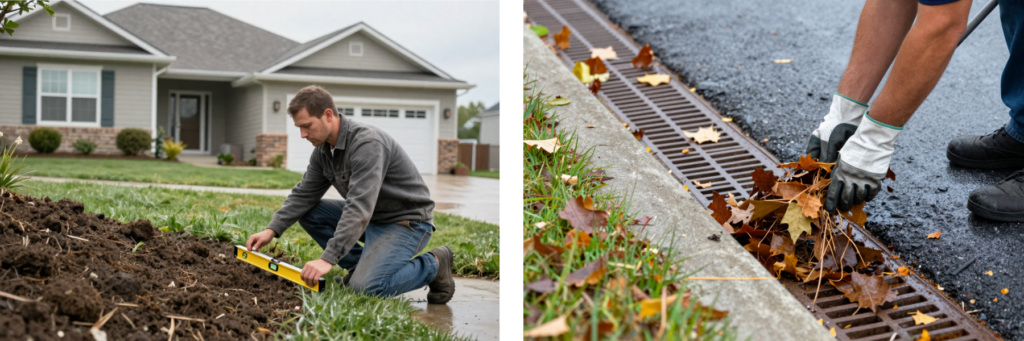
Preparing for California’s rainy season involves more than maintaining your roof. The way water moves through your yard can also affect your home’s condition.
Poor drainage may cause water to pool near the foundation, seep into lower areas, or create persistently damp spots around the property.
This is particularly important for homes with sloped yards, retaining walls, or areas that have experienced drainage problems in the past.
What homeowners can do:
- Clear leaves and debris from outdoor drains.
- Check for areas where water regularly collects after rainfall.
- Make sure soil and landscaping do not direct water toward the house.
- Inspect visible drainage channels and retaining walls for signs of damage.
- Address recurring drainage problems with a qualified drainage or landscaping professional.
Never ignore persistent standing water near the foundation. Identifying the source early can help prevent more extensive damage.
4. Seal Gaps Around Windows and Doors
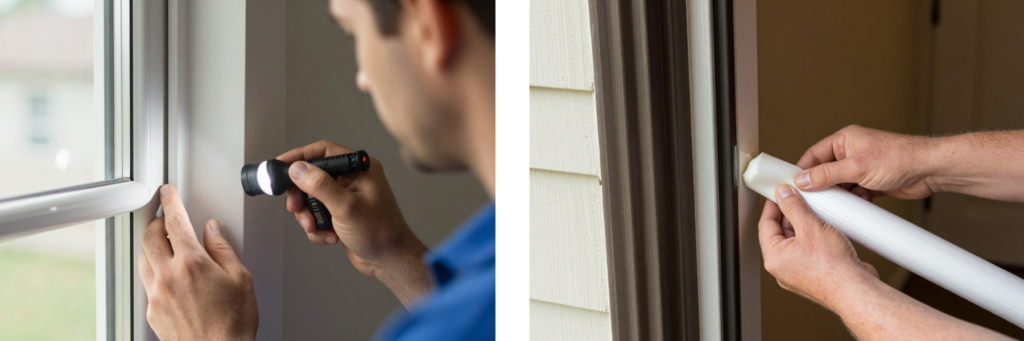
Small gaps around windows and exterior doors can allow drafts and moisture to enter your home. They can also make indoor temperatures less comfortable and cause your heating system to work harder.
Before temperatures drop further, inspect the seals around your home’s most frequently used windows and doors.
What homeowners can do:
- Check weatherstripping for wear or deterioration.
- Look for cracked or missing caulking around window and door frames.
- Replace damaged weatherstripping where appropriate.
- Reseal exterior gaps with suitable materials.
- Check for water stains or signs of moisture around window frames.
For older homes, pay particular attention to deteriorating exterior caulking and areas where water may enter during wind-driven rain.
5. Service Your Heating System and Replace Air Filters
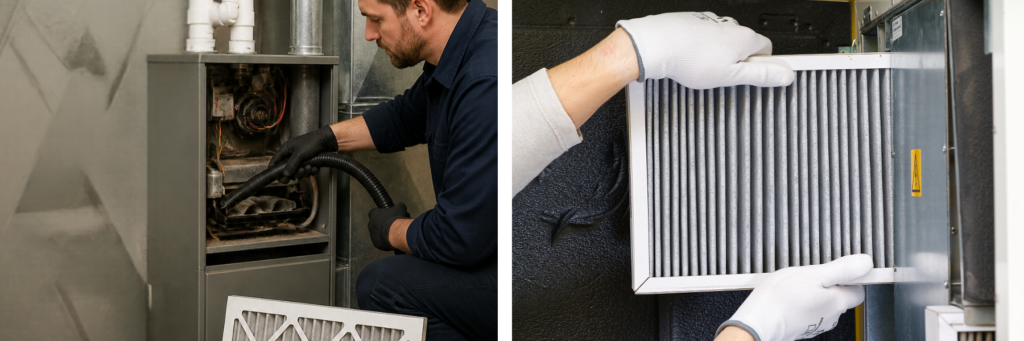
Although California winters are generally mild in many communities, cooler evenings can make a reliable heating system essential for indoor comfort.
Fall is a good time to make sure your furnace or heat pump is operating properly before you depend on it regularly.
Routine maintenance may also help identify issues that could affect performance or household safety.
What homeowners can do:
- Replace or clean HVAC filters according to the manufacturer’s instructions.
- Check that heating vents and return-air grilles are not blocked.
- Listen for unusual noises when the system operates.
- Make sure the thermostat responds correctly.
- Schedule professional servicing if your system needs inspection or maintenance.
If you notice unusual odors, persistent performance issues, or signs of malfunction, contact a qualified HVAC professional.
6. Inspect Plumbing and Protect Vulnerable Pipes
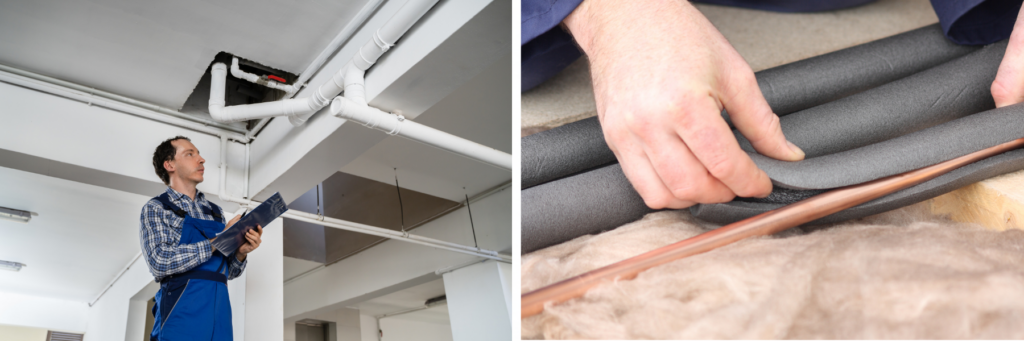
Cold weather can put stress on plumbing, particularly in areas that experience freezing temperatures. Although widespread freezing conditions are uncommon in much of the South Bay, occasional cold spells can still affect exposed or poorly protected pipes.
It’s also important to check for ordinary plumbing leaks before seasonal rainfall and cooler temperatures arrive.
What homeowners can do:
- Inspect visible pipes beneath sinks and around water heaters for leaks.
- Check exposed plumbing in garages, crawl spaces, and other vulnerable areas.
- Repair dripping faucets and leaking connections.
- Disconnect garden hoses before freezing weather.
- Protect vulnerable pipes according to the manufacturer’s recommendations or professional guidance.
- Learn where your main water shutoff valve is located.
If you discover a leak, address it promptly. Even a small, persistent leak can waste water and contribute to moisture damage.
7. Inspect Windows, Exterior Walls, and the Foundation for Moisture
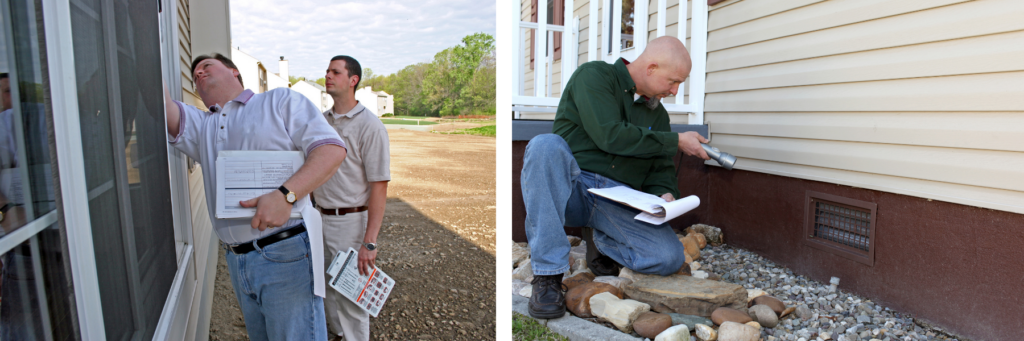
Water intrusion does not always begin with a major roof leak. Damaged exterior caulking, deteriorating siding, cracked seals, and other openings can allow moisture to enter during rainy weather.
Regular inspections can help you identify potential concerns before they become more difficult and expensive to address.
What homeowners can do:
- Look for peeling paint, deteriorating caulking, or damaged siding.
- Check exterior walls for visible cracks or areas of deterioration.
- Inspect accessible interior walls and ceilings for new water stains.
- Watch for musty odors, persistent dampness, or visible mold.
- Arrange for a qualified professional to investigate recurring moisture problems.
Not every crack indicates a serious structural issue, but changes in cracks, repeated water intrusion, or unexplained moisture should not be ignored.
8. Trim Hazardous Tree Branches and Clean Up Your Yard
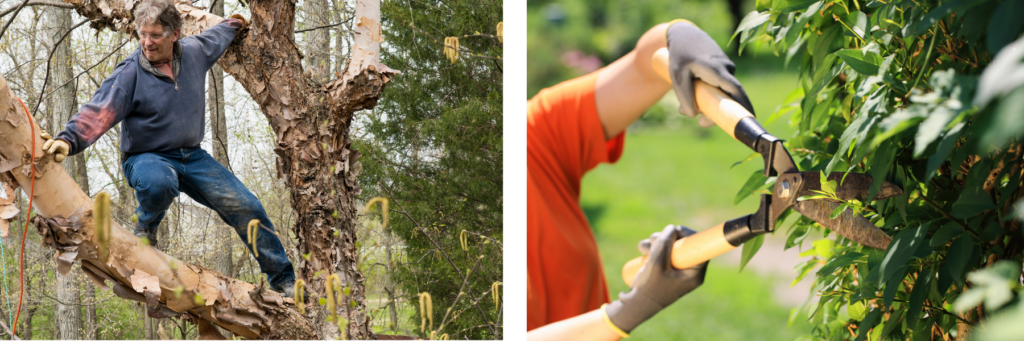
Rain and strong winds can cause dead or weakened branches to fall, potentially damaging roofs, vehicles, fences, and outdoor structures.
Overgrown vegetation can also contribute to clogged gutters and drains when leaves accumulate during the fall.
Taking care of your landscaping before winter weather arrives can help reduce avoidable risks around your property.
What homeowners can do:
- Look for dead, damaged, or unstable branches.
- Remove fallen leaves from walkways, gutters, and drainage areas.
- Secure or store lightweight outdoor furniture and decorations.
- Keep pathways clear and accessible.
- Consult a qualified tree-care professional about branches that could threaten the home or nearby structures.
For larger trees or branches near power lines, leave the work to appropriately qualified professionals.
9. Test Smoke Alarms and Carbon Monoxide Detectors
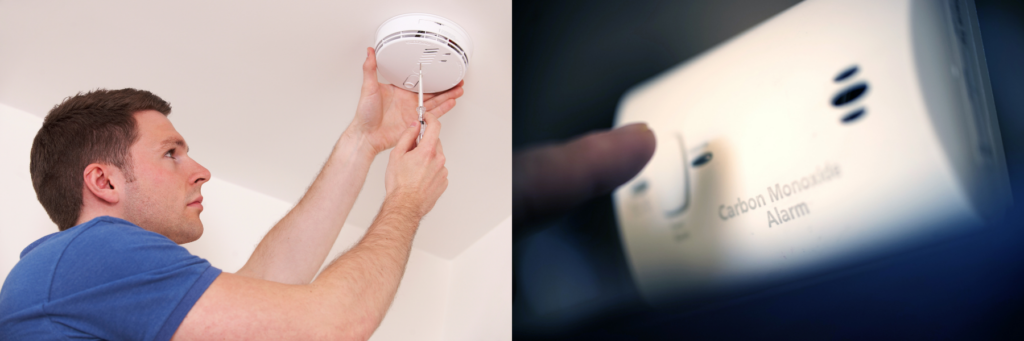
Home maintenance is not just about protecting the structure. It’s also about protecting the people who live inside it.
As homeowners begin using heating equipment and fireplaces more frequently, checking household safety devices becomes especially important.
What homeowners can do:
- Test smoke alarms and carbon monoxide detectors according to the manufacturer’s instructions.
- Replace batteries when needed, unless the device uses a sealed battery system.
- Replace expired or outdated devices according to manufacturer guidance and applicable requirements.
- Confirm that alarms are installed in the appropriate locations throughout the home.
- Review your household’s emergency plan and make sure everyone knows how to respond to an alarm.
If your home has a fireplace or wood-burning appliance, arrange for appropriate inspections and cleaning before regular use. Never use an outdoor grill or generator indoors or in an enclosed space.
10. Review Your Home’s Insurance and Maintenance Records

Winter preparation is also a good opportunity to review important documents related to your property.
Knowing the condition of your home, keeping track of previous repairs, and understanding your insurance coverage can make it easier to respond if a problem occurs.
What homeowners can do:
- Review your homeowner’s insurance policy and understand its coverage, exclusions, and deductibles.
- Keep records of roof repairs, plumbing work, HVAC servicing, and other significant maintenance.
- Store contractor invoices, warranties, and inspection reports in an organized location.
- Take dated photographs of your home’s condition when useful.
- Make a list of repairs that should be addressed in the coming months.
If you have questions about coverage for water intrusion, flooding, or other weather-related damage, contact your insurance provider directly. Standard homeowners insurance policies may treat different types of water damage differently.
Keeping organized records can also be helpful when you eventually decide to sell your home.
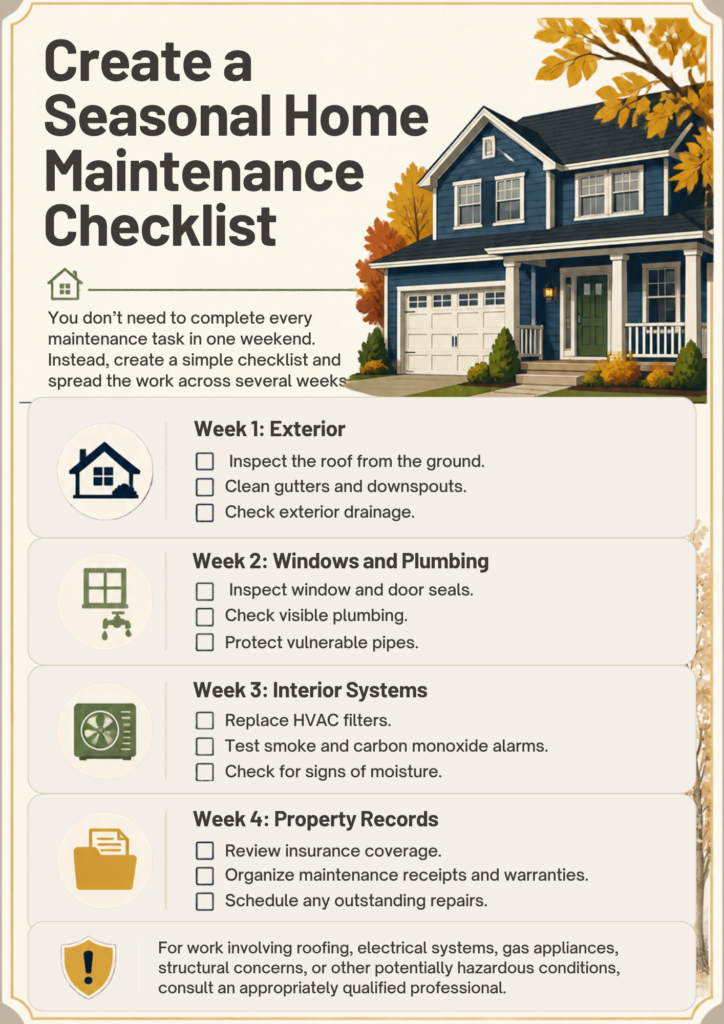
Bonus Tip: Create a Seasonal Home Maintenance Checklist
For example:
Why Regular Home Maintenance Matters
Your home is more than a place to live. For many homeowners, it is also one of their most significant financial investments.
Regular maintenance can help you identify problems earlier, reduce the likelihood of avoidable repairs, and preserve your property’s overall condition.
It can also make future real estate decisions easier. If you plan to sell in the coming months or years, keeping up with maintenance and documenting completed work can help you prepare for the listing process.
While no maintenance checklist can guarantee that a home will avoid damage or retain a particular market value, taking a proactive approach can help you make more informed decisions about your property.
Get Your Home Ready for the Season
As California heads into the cooler months, now is an excellent time to give your home the attention it deserves.
From inspecting your roof and clearing your gutters to checking your heating system and organizing maintenance records, small steps today can help you prepare for the months ahead.
At Lisa & Lisa Real Estate Consultant Group, we believe that supporting homeowners goes beyond buying and selling properties. It’s about helping you make informed decisions and feel confident about your home throughout every stage of ownership.
Have questions about maintaining your home’s value or preparing your property for a future sale? We’re happy to help you understand your options and plan your next steps.
Thinking about your home’s future? Contact Lisa & Lisa Real Estate Consultant Group for personalized real estate guidance and a conversation about your property goals.