

Owning a home comes with ongoing decisions about where to invest your time and money. Whether you’re planning to stay for years or considering selling in the near future, knowing the difference between necessary repairs and optional renovations can help you make smarter financial decisions.
While a kitchen makeover or bathroom upgrade may be appealing, some of the most valuable improvements are the ones you don’t immediately see. So, where should homeowners spend first?
1. Start with Essential Repairs
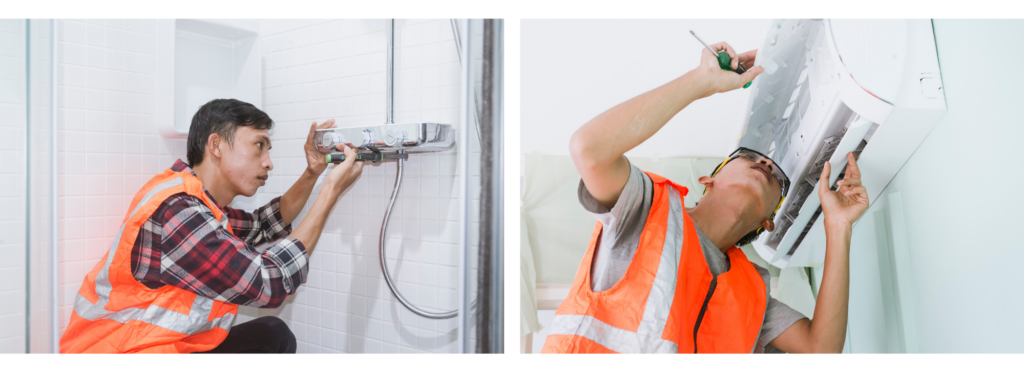
Before investing in cosmetic upgrades, prioritize repairs that protect your home’s structure, safety, and functionality. Addressing small problems early can prevent them from becoming larger and more expensive issues.
Some important repairs to prioritize include:
- Roof and gutter issues: Repair leaks, damaged shingles, and drainage problems to help prevent water damage.
- Plumbing concerns: Fix leaking pipes, clogged drains, and running toilets before they lead to more serious damage.
- Electrical problems: Address faulty wiring, outdated electrical components, and malfunctioning outlets with a qualified professional.
- HVAC maintenance: Keep heating and cooling systems properly serviced to support efficiency and reliable operation.
- Foundation and drainage concerns: Investigate cracks, uneven floors, or water pooling around the property to determine whether professional attention is needed.
Taking care of these issues first helps preserve your home’s condition and gives you a stronger foundation for future improvements.
2. Focus on Renovations That Add Practical Value
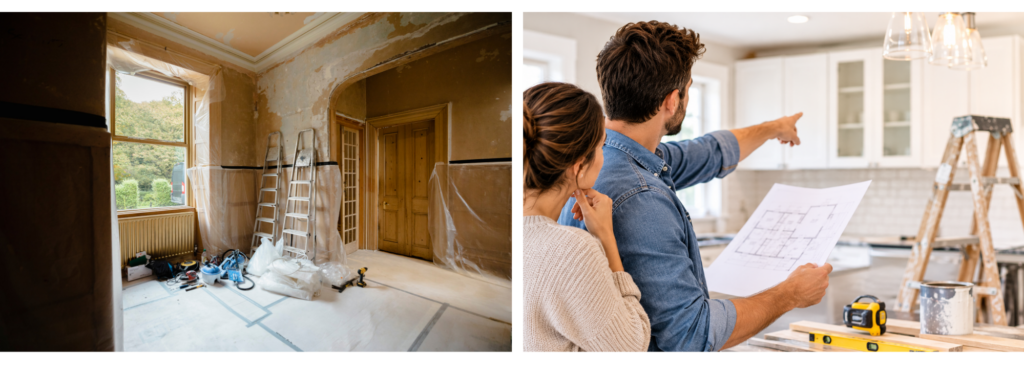
Once essential repairs are handled, consider renovations that improve everyday comfort, functionality, and overall appeal.
Not every renovation needs to be a major project. Even modest updates can make a noticeable difference.
Consider improvements such as:
- Kitchen updates: Refreshing cabinet hardware, updating lighting, replacing worn countertops, or improving storage.
- Bathroom improvements: Replacing outdated fixtures, improving ventilation, and updating finishes.
- Flooring upgrades: Repairing damaged flooring or replacing worn materials to create a cleaner, more cohesive look.
- Energy-efficient improvements: Installing efficient lighting, improving insulation, or upgrading older appliances.
- Interior and exterior painting: A fresh coat of paint can brighten living spaces and improve overall presentation.
The best renovations are those that solve everyday problems while complementing the home’s existing features.
3. Consider Your Timeline and Long-Term Plans

Your home improvement priorities may depend on how long you plan to stay in the property.
If You’re Planning to Stay:
Prioritize repairs that protect your investment, followed by renovations that improve your comfort and meet your household’s needs. Focus on projects you’ll enjoy for years rather than upgrades based solely on resale trends.
If You’re Planning to Sell:
Concentrate on repairs that could raise concerns during a buyer’s inspection. Address visible maintenance issues, improve curb appeal, and consider simple updates that make the home feel clean, bright, and well-maintained.
Large-scale renovations aren’t always necessary before listing. Depending on the property and local market conditions, smaller improvements may offer a more practical return.
4. Set a Realistic Home Improvement Budget
Before starting any project, establish a budget and determine which improvements are essential, which can wait, and which are optional.
A helpful approach is to divide your budget into three categories:
- Must-Fix: Safety concerns, structural issues, water damage, and essential system repairs.
- Should-Improve: Worn flooring, outdated fixtures, aging appliances, and improvements that enhance functionality.
- Nice-to-Have: Decorative upgrades, luxury finishes, custom features, and purely aesthetic changes.
It’s also wise to set aside additional funds for unexpected expenses, especially when working on older homes.
Getting multiple estimates from qualified contractors can help you compare costs and make informed decisions before committing to a project.
5. Think Beyond the Price Tag
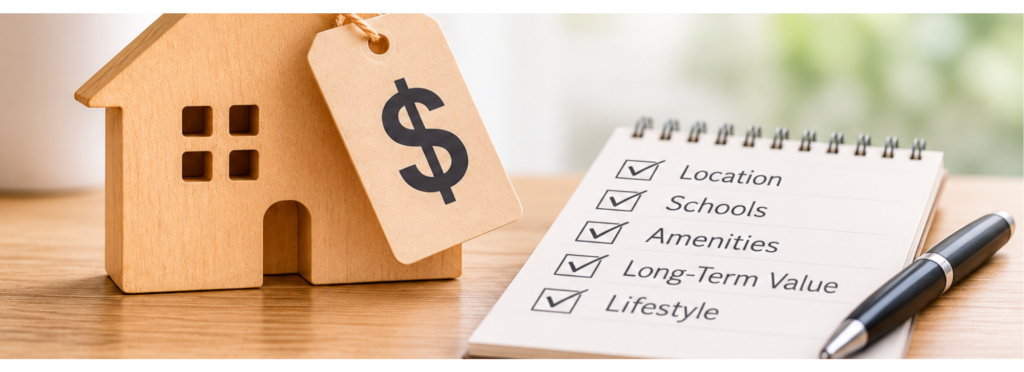
One common mistake homeowners make is choosing projects based only on their initial cost or potential resale value.
A renovation may look impressive, but it may not address an underlying maintenance issue. Similarly, a relatively inexpensive repair could prevent thousands of dollars in future damage.
Consider these factors before moving forward:
- Will this improvement protect the home from further damage?
- Does it improve the home’s functionality or efficiency?
- Is it appropriate for the property’s age and condition?
- Will it appeal to potential buyers if you decide to sell?
- Does the expected benefit justify the investment?
Remember, the goal isn’t necessarily to have the newest or most expensive features. It’s to maintain a home that is safe, functional, and appealing.
The Bottom Line: Repair First, Renovate Strategically
When deciding between repairs and renovations, the best approach is to protect your home’s condition before focusing on its appearance. Address essential maintenance concerns first, then invest in upgrades that make sense for your lifestyle, budget, and future plans.
Every home is different, and the right improvements depend on its current condition and your long-term goals.
Thinking about making improvements before putting your home on the market? The Lisa & Lisa Real Estate Consultant Group can help you identify which updates may make the biggest difference and which projects may not be necessary.
Planning to buy or sell? Let’s talk about how to make the most of your home’s value.